inquiry
Leave Your Message

Oxytocin CAS 50-56-6 | China Suppliers & Factory for High-Purity Research Peptides and Biochemical Materials

,

Basic Information and Chemical Properties
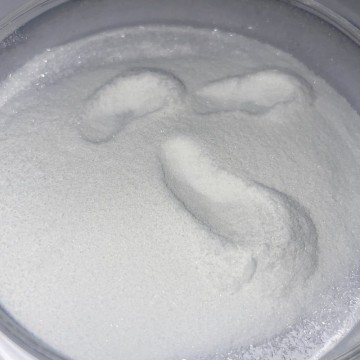
Oxytocin CAS 50-56-6 is a synthetic nonapeptide widely utilized in research laboratories across China. As a key material in peptide studies, analytical testing, and biochemical research projects, Oxytocin consists of 9 amino acids and features a unique disulfide bridge in its peptide structure. The molecular formula is C43H66N12O12S2, with a molecular weight of approximately 1007.19 g/mol. This product is typically supplied as a white to off-white lyophilized solid, with high-purity options offered by reputable suppliers and factories in the region. Please note that product specifications may vary based on salt form, purity, and production methods; therefore, it is essential to verify quality with COA, HPLC, and MS reports. For optimal long-term stability, store in a sealed, dry environment, away from light, preferably at low temperatures. This product is intended for research and industrial use only and is not suitable for human or veterinary applications.

,

    Specifications & Packaging

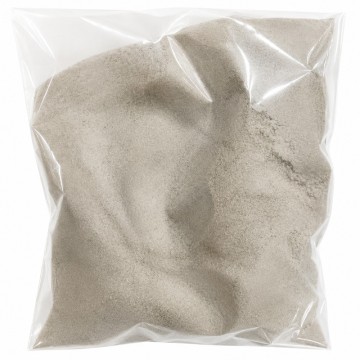
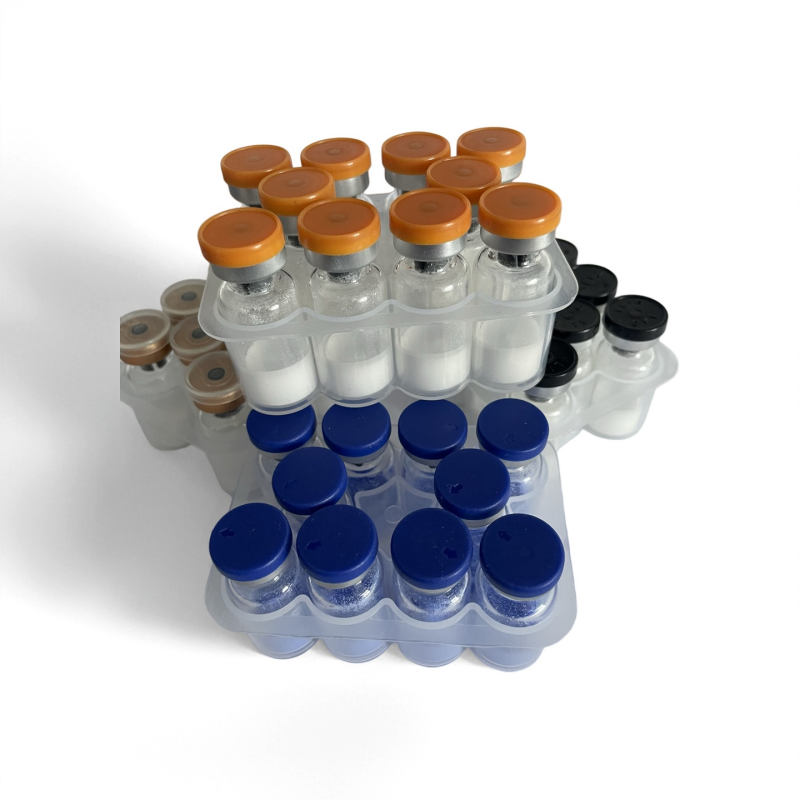
    Oxytocin CAS 50-56-6 is supplied as a high-purity synthetic peptide research material, typically in white to off-white lyophilized solid form. Standard quality control may include HPLC purity testing, MS identification, and COA documentation upon request. Packaging options include small research quantities, vial packaging, gram-level packaging, and customized bulk packaging according to customer requirements. Each package is sealed in protective containers to help maintain product stability during storage and international transportation. Recommended storage conditions are sealed, dry, protected from light, and low-temperature storage is preferred for long-term stability. For research and industrial use only, not for human or veterinary use.

    Form & Purity
    High-purity synthetic peptide in white to off-white lyophilized solid powder.
    Quality Testing
    Validated with HPLC purity analysis, MS identification, and batch-specific COA.
    Packaging Options
    Small research aliquots, sealed vials, gram-scale, and customized bulk packaging.
    Storage & Handling
    Sealed, desiccated, protected from light; low-temperature environment recommended.
    Regulatory Notice: For research and industrial use only. Not for human or veterinary use.

    Benefits & Applications

    Oxytocin (CAS 50-56-6) functions extensively in chemical synthesis, bioanalytical reference testing, receptor binding characterization, and molecular biology assays. Its strictly controlled synthesis process ensures high batch-to-batch consistency and stability for academic and industrial research workflows.

    Frequently Asked Questions (FAQ)

    What is the CAS number and standard physical appearance of Oxytocin?
    The CAS registry number is 50-56-6. Oxytocin is supplied as a high-purity synthetic peptide in a white to off-white lyophilized solid powder form.
    What analytical documentation and quality tests are provided?
    Standard analytical validation includes High-Performance Liquid Chromatography (HPLC) purity testing, Mass Spectrometry (MS) identification, and a comprehensive Certificate of Analysis (COA) corresponding to each production batch.
    What packaging specifications are available for international supply?
    Packaging options range from small-scale laboratory vials (milligram to gram scale) to customized bulk industrial containers, sealed in protective packaging to prevent degradation during international transit.
    What are the recommended storage conditions to ensure long-term stability?
    Oxytocin should be kept tightly sealed in a dry environment, protected from direct sunlight and moisture. Low-temperature storage (preferably at or below -20°C) is recommended for extended shelf life.
    Can this Oxytocin product be used for clinical or veterinary treatment?
    No. This material is designated strictly for laboratory research, scientific experimentation, and industrial synthesis applications only. It is not approved for direct human or veterinary administration.

    Leave Your Message