Leave Your Message
Standardized botanical extracts optimized for bio-stimulant, stress protection, and organic crop vitality applications.
Modern global farming faces a complex dual challenge: the imperative to increase crop yields to nourish a growing global population, alongside the urgent necessity to reduce synthetic chemical pesticide dependency, restore soil organic health, and adapt to climate-induced environmental stressors. As regulatory authorities worldwide restrict the use of synthetic fungicides, toxic insecticides, and non-biodegradable chemical additives, agricultural scientists and commercial growers are turning toward botanical extracts as powerful, eco-friendly inputs.
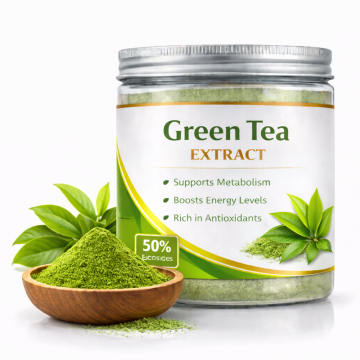
Among the spectrum of natural phytogenic solutions, Green Tea Extract (GTE) derived from Camellia sinensis has emerged as a cornerstone raw material for next-generation bio-pesticides, natural biostimulants, and plant elicitors. Rich in active polyphenolic compounds—specifically catechins such as Epigallocatechin Gallate (EGCG), Epicatechin Gallate (ECG), and Epigallocatechin (EGC)—green tea extract offers potent broad-spectrum antimicrobial activity, cellular free-radical scavenging capabilities, and plant immune-system priming properties. When integrated into modern sustainable agricultural regimens, GTE provides robust bio-protection while leaving zero harmful chemical residues in food crops, water tables, or soil micro-ecosystems.
Epigallocatechin Gallate (EGCG) accounts for up to 50%-60% of the total polyphenol content in standardized green tea extracts. Its unique catechol structure binds effectively to microbial membrane lipids, disrupting cell membrane integrity in plant pathogens while triggering endogenous defense gene pathways (such as PR-1 and PAL) within host crops.
To fully appreciate the industrial utility of Green Tea Extract in sustainable agronomy, it is essential to examine its physiological mechanisms within crop systems:
Polyphenols interact directly with fungal spores and bacterial cell walls. EGCG inhibits ergosterol biosynthesis and induces cell wall leakage in devastating fungal pathogens like Botrytis cinerea and Fusarium oxysporum.
GTE acts as a natural elicitor. Folia applications prime the plant's innate immune defense, elevating salicylic acid (SA) production and accumulating pathogenesis-related (PR) proteins prior to pathogen attack.
During extreme drought, high salinity, or heatwaves, plants experience severe Reactive Oxygen Species (ROS) accumulation. GTE's high antioxidant capacity (DPPH radical scavenging) protects chloroplasts and cellular lipids.
Fungal outbreaks pose one of the greatest threats to pre-harvest and post-harvest crop security. Standardized green tea extract containing high concentrations of polyphenols (≥98%) and EGCG (≥50%) exhibits remarkable antifungal efficacy. Laboratory trials and field trials demonstrate that green tea polyphenols suppress spore germination and hyphal elongation across various fungal orders, including Rhizoctonia solani, Sclerotinia sclerotiorum, and Colletotrichum species.
Furthermore, GTE polyphenols possess plant antiviral characteristics. By inhibiting viral coat protein synthesis and blocking viral entry points at cellular damage sites, GTE spray formulations significantly reduce the viral load of Tobacco Mosaic Virus (TMV) and Tomato Yellow Leaf Curl Virus (TYLCV) in commercial greenhouse operations.
Beyond crop defense, green tea extract serves as an active biostimulant. Foliar application of micro-dosed GTE enhances chlorophyll density, increases stomatal conductance during water-deficit conditions, and promotes root elongation. The trace amino acids (such as L-theanine) and natural organic acids present in full-spectrum extracts act as natural chelating agents, improving crop uptake of key micronutrients like zinc, iron, and manganese from the rhizosphere.
As green tea extract transitions from laboratory evaluation to commercial-scale agriculture, multi-industry adoption across organic farming, greenhouse horticulture, and post-harvest preservation is accelerating globally.
In broadacre farming (soybeans, maize, wheat) and high-value horticulture (vineyards, berries, citrus), GTE is formulated into water-soluble liquid concentrates or wettable powders. Applied during critical physiological growth stages—such as seedling establishment, flowering, and fruit set—GTE fortifies plant cuticle structure and decreases susceptibility to environmental shocks.
Synthetic chemical pesticides often suffer from rapid pest resistance development and strict maximum residue limits (MRLs). By combining Green Tea Extract with natural carrier oils, biological peptides, or copper-based micro-doses, manufacturers create synergistic bio-fungicides. GTE enhances the bio-availability of co-formulated actives while reducing the required chemical dosage by up to 40% without compromising yield efficiency.
Post-harvest decay accounts for approximately 30% of global fresh produce losses during transit and storage. Edible bio-polymeric coatings (such as chitosan or alginate) enriched with Green Tea Extract are applied to fresh fruits (table grapes, avocados, apples, and berries). The antioxidant properties of GTE prevent oxidative browning, while its natural antimicrobial spectrum inhibits gray mold, extending shelf life by 30 to 50 percent under cold chain transport.
In controlled environment agriculture (CEA) and vertical hydroponic farms, root rot caused by Pythium and Phytophthora species can destroy entire crops within days. Low-concentration fertigation using water-purified green tea polyphenol concentrates suppressed waterborne pathogens while encouraging the proliferation of beneficial soil microorganisms like Trichoderma and Pseudomonas fluorescens.
The global market for botanical extracts in agriculture is projected to achieve a compound annual growth rate (CAGR) exceeding 11.5% over the next decade. Key drivers accelerating the commercialization of Green Tea Extract in agriculture include:
Rongchuang International is a global supplier specializing in pharmaceutical intermediates, chemical raw materials, and high-value peptide products. Based in China and serving the world, we are committed to providing high-quality raw material solutions for pharmaceutical companies, research institutions, and biotech companies.
Since its establishment, we have always focused on the field of metabolic health, deeply investing in the four golden tracks of weight loss, anti-aging, hypoglycemic, and anti-fatigue. With a profound understanding of China's chemical industry chain and a keen insight into the international market, we have become an important part of the global GLP-1 and related peptide raw material supply chain.
Delivering high-purity standardized plant extracts and bioactive solutions with industry-leading quality control.
We believe that behind every life-changing drug, there is no shortage of high-quality raw materials. We are willing to be the silent pillar that supports, with a stable supply chain, reliable quality and professional attitude, to help global partners jointly advance the cause of human health.
At present, our products have been exported to multiple countries and regions such as North America, Europe, Southeast Asia, Japan, and South Korea, and our clients include:
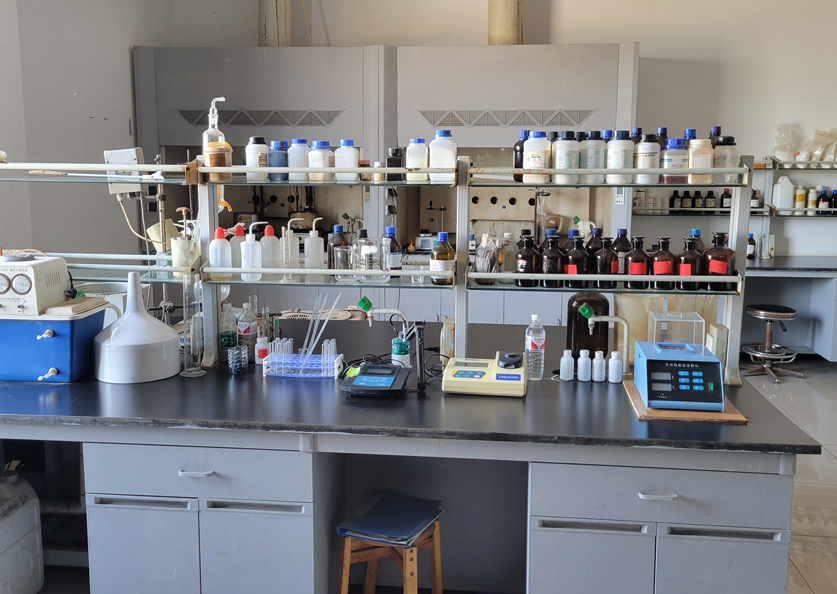
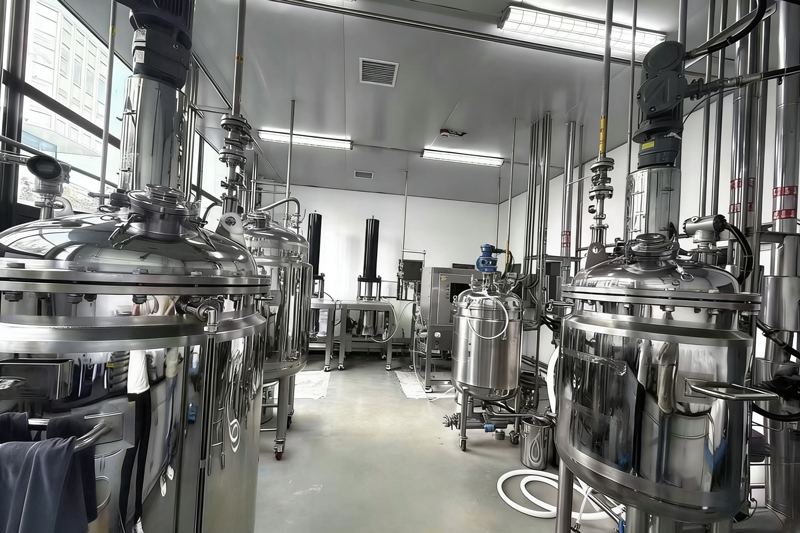
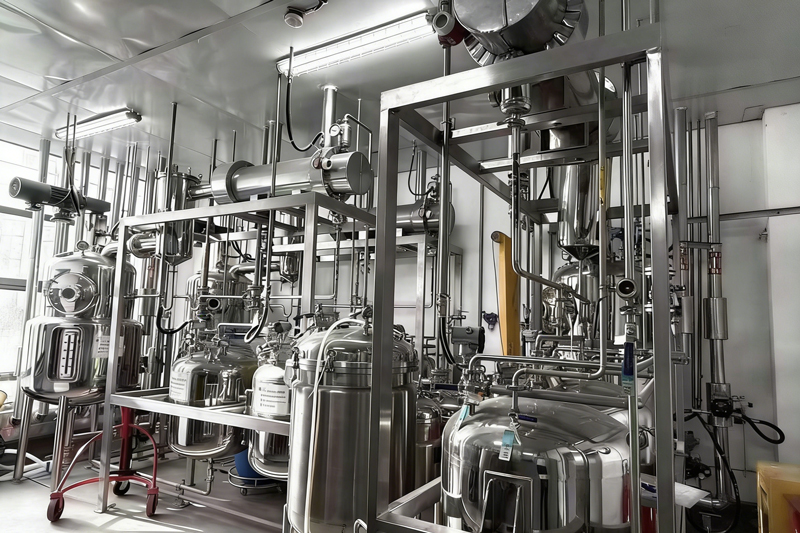
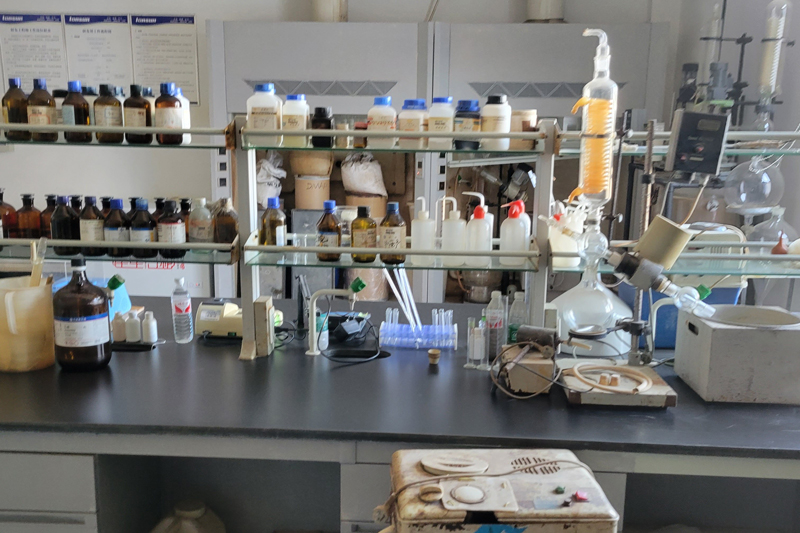
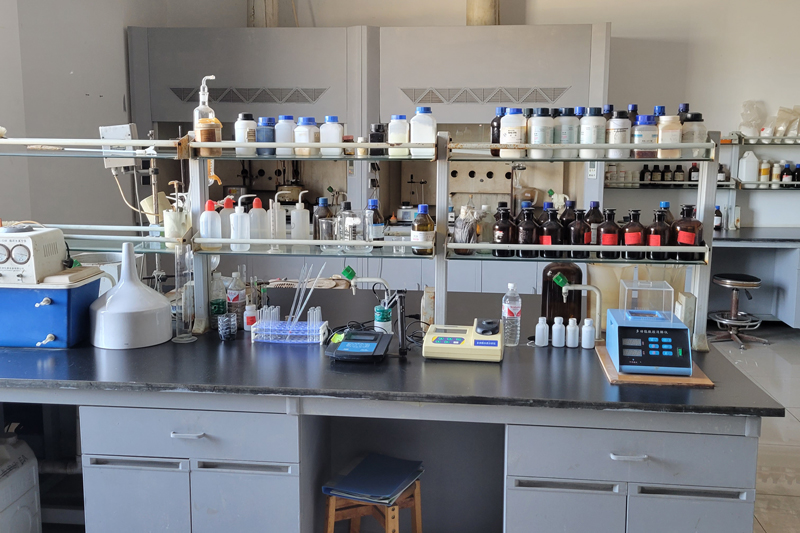
State-of-the-art chemical synthesis, plant extraction laboratories, and cleanroom manufacturing facilities.


The future of high-performance bio-agriculture lies in formulation synergy. Combining Green Tea Extract with other natural botanical extracts and functional peptides yields biological efficacy greater than the sum of single components.
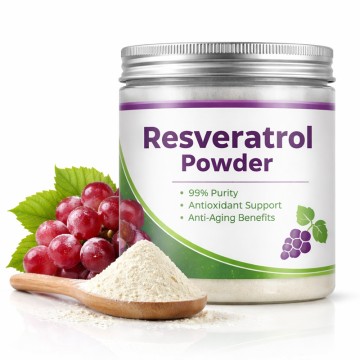
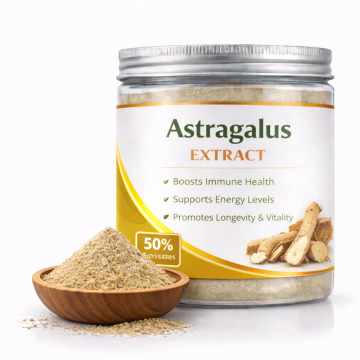
When combined with Resveratrol (derived from Polygonum cuspidatum), green tea polyphenols exhibit accelerated plant gene activation against systemic rusts and powdery mildews. Resveratrol acts on cellular respiration complexes within fungal mitochondria, while EGCG compromises the outer membrane barrier. Simultaneously, standardized Astragalus Extract provides natural polysaccharides that prime plant root elongation and promote beneficial rhizosphere colonization.
Integrating botanical polyphenols with bioactive protein hydrolysates and bio-peptides (such as nutritional enhancer amino acid complexes) creates dual-action agronomic products. The peptides supply readily available organic nitrogen and chelated minerals for fast leaf assimilation, while the green tea polyphenols shield newly synthesized plant proteins from oxidative degradation caused by solar ultraviolet radiation and heat stress.
To maximize the efficacy of Green Tea Extract in commercial farming operations, proper technical formulation standards must be maintained:
Green Tea Extract represents a pillar in the transition toward truly sustainable agriculture. With its unmatched combination of broad-spectrum antimicrobial action, systemic immune elicitation, abiotic stress protection, and environmental safety, standardized green tea extract empowers growers, input manufacturers, and agronomists to protect crops naturally while preserving global soil and water resources.
Explore our comprehensive portfolio of high-purity standardized botanical extracts and functional raw materials.