



inquiry
Leave Your Message

Coluracetam 135463-81-9 ≥98% Purity - Quality Powder from China Suppliers and Factory

,

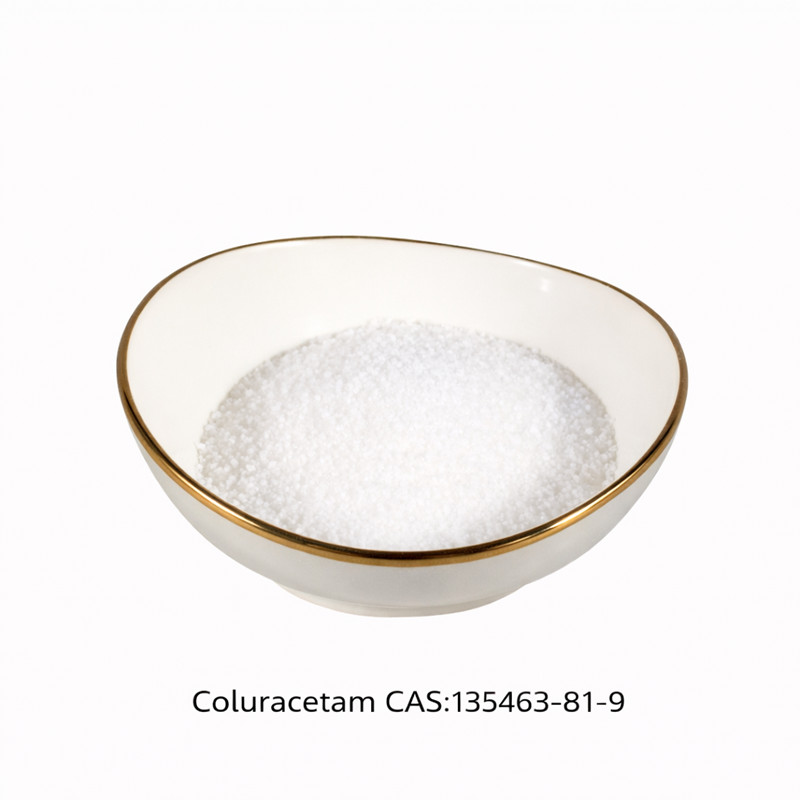
Product Name: Coluracetam

,

CAS: 135463-81-9

,

Molecular Formula (MF): C19H23N3O3

,

Molecular Weight (MW): 341.4

,

EINECS: 1308068-626-2

,

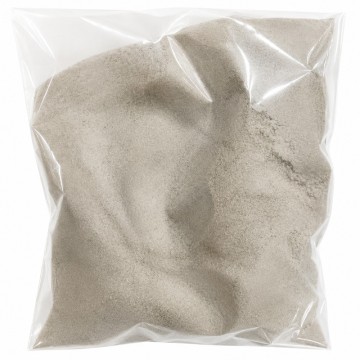
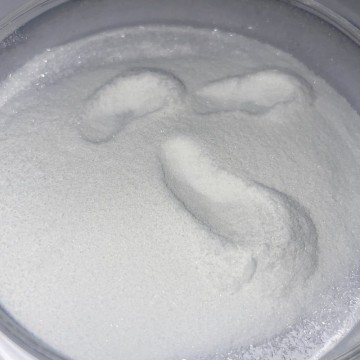
Appearance: Fine Powder

,

Purity: ≥98%

,

Packaging Options: Available in 1kg, 5kg, 10kg, 50kg, and 100kg; custom packaging can be arranged.

,

Origin: Manufactured in China

,

Coluracetam is a high-quality compound widely used in various applications. As a leading supplier and factory based in China, we ensure that our Coluracetam meets stringent quality standards with a purity of 98% or higher. Our flexible packaging options make it easy to meet your specific needs, whether for research or commercial use. Partner with us to source premium Coluracetam from a trusted manufacturer in China.

,

    Brief Introduction

    Coluracetam (development codes: MKC-231, BCI-540) is a newly synthesized tetrahydrofuroquinoline analogue and a member of a novel class of nootropic agents. Unlike traditional racetam compounds, Coluracetam exerts its effects by enhancing high-affinity choline uptake (HACU), the rate-limiting step for acetylcholine synthesis. This unique mechanism of action makes it particularly valuable in research on cholinergic dysfunction-related disorders such as Alzheimer's disease.

    Key Scientific Value & Findings

    Unique Choline Uptake Enhancement Mechanism

    Coluracetam is a new choline uptake enhancer. MKC-231 significantly increased high-affinity choline uptake when incubated with hippocampal synaptosomes of ethylcholine mustard aziridinium ion (AF64A)-treated rats, but not of normal rats. Studies show that MKC-231 increased the Vmax of HACU and Bmax of [3H]-HC-3 binding by 1.6 and 1.7-fold, respectively. In [3H]-MKC-231 binding and Biacore analysis, MKC-231 showed noticeable affinity for cloned high-affinity choline transporters (CHT1).

    No Effect on Acetylcholinesterase or Receptors

    MKC-231 did not affect AChE activity, [3H]-quinuclidinyl benzilate binding, or [3H]-pirenzepine binding, indicating its mechanism is completely distinct from acetylcholinesterase inhibitors or direct cholinergic agonists.

    Persistent Improvement with Chronic Administration

    In chronic experiments, MKC-231 (0.3, 1.0, or 3.0 mg/kg p.o., once daily for 11 days) significantly improved working memory deficits induced by AF64A in mice. Correct response rates in a delayed non-matching to sample task in a T-maze improved from 61.1% (AF64A+vehicle) to 86.1%, 85.0%, and 83.3% at doses of 0.3, 1.0, and 3.0 mg/kg, respectively. Acute single administration (same doses) did not significantly improve AF64A-induced working memory deficits.

    Restoration of Hippocampal ACh Levels

    Chronic oral administration of MKC-231 (0.3 and 1.0 mg/kg, once daily for 12 days) significantly reversed the depletion of hippocampal ACh content induced by AF64A in mice. ACh levels increased from 60.8% of control (AF64A+vehicle) to 84.4% and 75.5% of control at doses of 0.3 and 1.0 mg/kg, respectively. The effect at 3.0 mg/kg (65.0% of control) was not significant, indicating a bell-shaped dose-response curve. Acute oral administration of MKC-231 did not reverse AF64A-induced hippocampal ACh depletion.

    Improvement of Water Maze Learning Deficits

    Oral administration of MKC-231 (1-10 mg/kg) significantly improved learning deficits in the Morris water maze of AF64A-treated rats. Unlike high doses of tacrine, MKC-231 did not produce any significant side effects like tremor, salivation, or hypothermia.

    Modulation of Glutamate and GABA Levels

    Coluracetam also acts by increasing glutamate and GABA levels, neurotransmitters involved in learning and memory. Additionally, it increases the efficiency of signal transmission between neurons.

    Our Supply & Service Advantages

    Frequently Asked Questions

    Q1 What is Coluracetam (MKC-231, BCI-540)?
    Coluracetam is a newly synthesized tetrahydrofuroquinoline analogue and a novel nootropic agent designed to enhance high-affinity choline uptake (HACU), making it significant for research in cholinergic dysfunction-related disorders.
    Q2 How does Coluracetam differ from traditional racetams or AChE inhibitors?
    Unlike standard racetams or acetylcholinesterase (AChE) inhibitors, Coluracetam enhances high-affinity choline uptake directly without affecting AChE activity, [3H]-quinuclidinyl benzilate binding, or [3H]-pirenzepine binding.
    Q3 Does Coluracetam require chronic administration to show memory benefits?
    Yes. Research demonstrates that chronic daily administration significantly reverses hippocampal ACh depletion and improves working memory deficits, whereas acute single administration does not produce these improvements.
    Q4 What effect does MKC-231 have on choline transporters (CHT1)?
    MKC-231 increases the Vmax of HACU and Bmax of [3H]-HC-3 binding by 1.6-fold and 1.7-fold respectively, and exhibits a noticeable binding affinity for cloned high-affinity choline transporters (CHT1).
    Q5 What additional neurotransmitters are modulated by Coluracetam?
    Beyond acetylcholine, Coluracetam acts by increasing glutamate and GABA levels, both of which play crucial roles in learning, memory, and neuronal signal transmission efficiency.
    Q6 Does Coluracetam cause cholinergic side effects like tacrine?
    No. Unlike high doses of tacrine, studies showed that oral administration of MKC-231 did not produce adverse cholinergic side effects such as tremors, salivation, or hypothermia.

    Leave Your Message